What Does Being Drunk Feel Like

When alcohol enters the bloodstream, it travels to the brain, where it affects neurotransmitters—chemical messengers that transmit signals between nerve cells. The primary neurotransmitters influenced by alcohol are gamma-aminobutyric acid (GABA) and glutamate. Alcohol enhances the effects of GABA, which has inhibitory properties, leading to feelings of relaxation and sedation. Several factors can influence the levels of intoxication one experiences after consuming alcohol. Understanding these factors is important in recognizing and managing one’s alcohol consumption responsibly.
Moderate Intoxication
People with a high tolerance for alcohol may need to drink greater amounts to feel the same effect. As a result, they may drink more heavily, putting them at greater risk for alcohol-related health issues or physical dependence on alcohol. There’s heroin addiction nothing wrong with being affectionate with people we are familiar with.
What does getting drunk feel like?
The emotional landscape can shift rapidly under the influence of alcohol. Initially, many people report feelings of happiness and relaxation as their inhibitions fade away. This is often referred to as the “happy hour” effect where laughter comes easily and social barriers seem to dissolve. At a BAC level of 0.45% or greater, severe and irreversible damage is sustained to the internal organ systems. This grim reality underscores the lethal potential of excessive alcohol consumption.
Understand the Risks of Alcohol Abuse
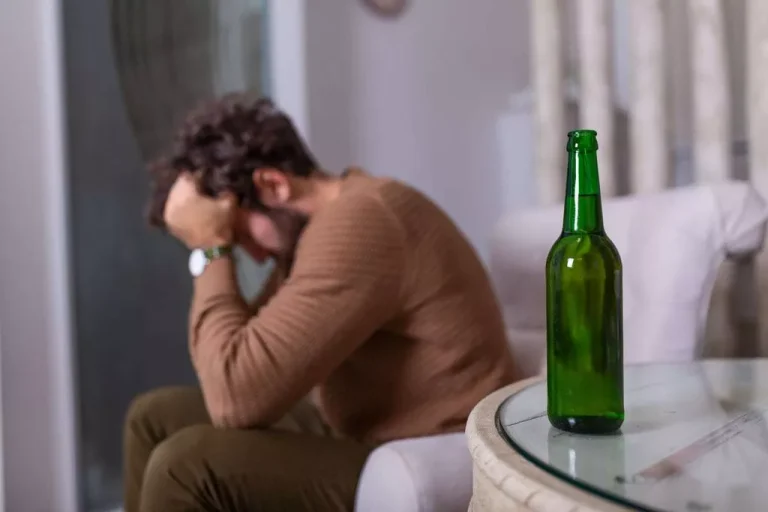
Unfortunately, when consuming alcohol, some people don’t recognize that they are becoming intoxicated, which can become obvious to those around them. Alcohol alters an individual’s behavior and makes it challenging for that individual to handle their responsibilities. When it comes to alcohol consumption, understanding the different levels of intoxication is essential in recognizing the effects it has on the body and behavior. The levels of being drunk can range from mild intoxication to moderate intoxication, and in severe cases, it can lead to dangerous levels of impairment.
Ready To Change Your Relationship With Alcohol? Reframe Is Here To Help!
By recognizing the signs and symptoms of these states, individuals can make informed decisions and implement strategies for healthier relationships and interactions. Understanding these effects requires awareness of both the short-term disinhibiting influences of alcohol and the long-term neurochemical and structural brain alterations. Persistent alcohol consumption can cause lasting damage to brain areas responsible for emotion regulation and cognitive functions, thereby exacerbating mental health problems. Alcohol influences not only physical health but also significantly impacts a person’s behavior and emotional state.
Alcohol Poisoning
Friends or companions may start suggesting the individual stop drinking, as their intoxication becomes more concerning. The person may exhibit a range of noticeable symptoms, such as excessive laughter, overconfidence, or even agitation. Social cues become harder to interpret, leading to awkward or misjudged responses in conversations. Their ability to assess their surroundings and actions diminishes, which can result in poor decision-making, such as continuing to drink despite obvious signs of intoxication. Please note that the effects of alcohol can vary depending on various factors such as body weight, tolerance, and the rate of alcohol consumption.
- But for others, it might mean doing something truly dangerous, like driving drunk or taking a dive off the roof.
- Our state-specific resource guides offer a comprehensive overview of drug and alcohol addiction treatment options available in your area.
- Although drinking may not consume their thoughts, they may need to drink more to reach the desired level of intoxication.
- Adrienne Santos-Longhurst is a freelance writer and author who has written extensively on all things health and lifestyle for more than a decade.
Factors Affecting Intoxication Levels
- This is because alcohol dilates blood vessels, which causes blood to flow closer to the skin’s surface.
- In conclusion, being drunk and being high have very different effects on your body and behavior.
- The experience of being drunk can be divided into several stages, each characterized by different physical and emotional effects.
- At Hope Harbor Wellness, we believe that understanding these dynamics is the first step toward making informed choices and, if needed, seeking support for alcohol use.
- On the other hand, alcohol poisoning is a serious condition that can be fatal if left untreated.
- When drinking alcohol, you might spill secrets, become sexually promiscuous, or become more aggressive than you normally would.
Discover evidence-based treatments, qualified staff, and personalized care options. Discover the key characteristics of alcohol treatment centers and how they can support your journey to recovery. If you’re concerned about someone’s level of intoxication, it’s important to stay with them and monitor their condition.
Benefits of PA Rehab Centers
- It can lower inhibitions and impair decision-making abilities, potentially leading to risky behaviors.
- Generally, individuals with higher body weight tend to have a lower blood alcohol concentration (BAC) compared to those with lower body weight after consuming the same amount of alcohol.
- At this point, those around them will often notice significant changes in their behavior, such as erratic actions, exaggerated emotions, or inappropriate social interactions.
- The acute effects of cannabis can affect decision-making and cognitive function.
- For most people, a single drink — for example, 1.5 ounces (oz) of hard liquor, 12 oz of beer, or 5 oz of wine — will elevate blood alcohol by 0.06 or 0.07 per drink.
- It’s important to note that marijuana can act as both a stimulant and a depressant, and its effects can linger in the body organs for a longer duration compared to alcohol 6.
Moderation and responsible drinking are key to maintaining good health and well-being. Alcohol consumption interferes with the brain’s communication pathways, impacting mood, behavior, clarity of thought, and coordination. It reduces whats it like being drunk communication between the brain and body, leading to symptoms such as slurred speech and impaired coordination.
The person may feel a false sense of control, believing they are still in command of their actions, even as alcohol starts to cloud their judgment. In terms of mental signs, being high or drunk can have distinct effects on cognition and emotions. When under the influence of cannabis, individuals may experience mental signs such as paranoia and anxiety, distorted perception, unusual laughter, and mood swings. The compounds in cannabis can alter brain chemistry, heighten sensitivity, and affect emotions and mood. Being drunk, on the other hand, can lead to impaired judgment, slower reaction times, emotional disturbances, and a general sense of disinhibition. Alcohol’s impact on the central nervous system can result in these mental signs 6.
Reset Your Mind: Benefits of Inpatient Mental Health Care
However, cannabis can impair short-term memory, coordination, and concentration for some individuals. The acute effects of cannabis can affect decision-making and cognitive function. Understanding the effects of alcohol and cannabis on the body is essential for recognizing the differences between being drunk and being high. Both substances have short-term and long-term effects that can impact physical and mental well-being.